
On this Page
Table of contents
- What Makes a Wedding Film Cinematic?
- Cinematic Is Not the Opposite of Natural
- What Should You Receive?
- Sound Matters as Much as the Pictures
- What Does Cinematic Wedding Videography Cost?
- What the Videographer Should Be Doing on the Day
- How to Tell Whether the Style Suits You
- Choosing the Film You Will Actually Watch
- Key Takeaways
- Frequently Asked Questions
Estimated reading time: 8 minutes
You press play months after the wedding.
Before the first image appears, you hear part of a speech. The film cuts to preparations, then back to the ceremony. A quiet exchange from earlier in the afternoon sits beside footage from the reception. Nothing feels out of order, even though the day is no longer being shown minute by minute.
That is a useful way to understand cinematic wedding videography Melbourne couples often see described in portfolios.
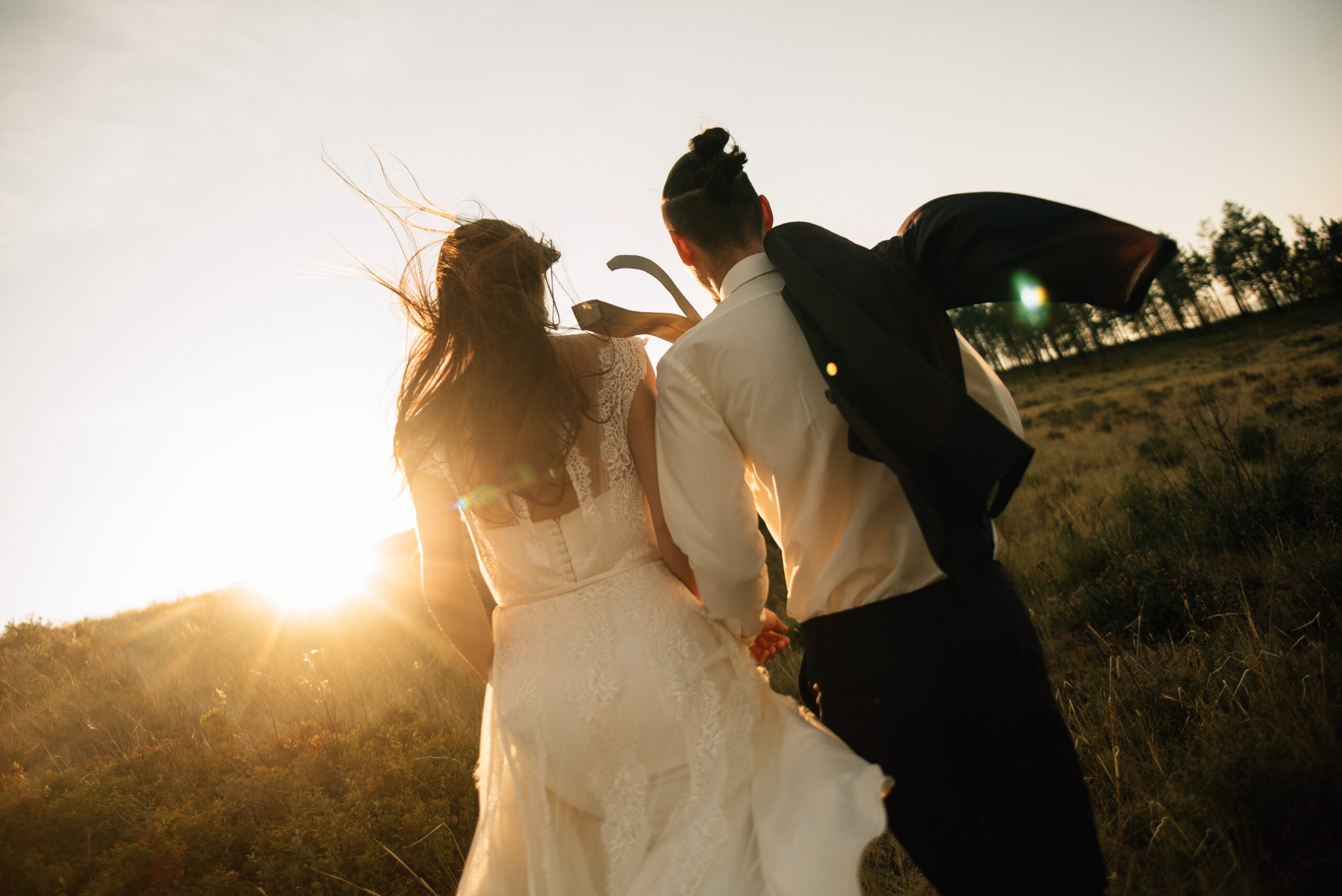
The word “cinematic” is used loosely. In practical terms, it usually means the footage has been shaped into a film rather than presented as a straightforward recording. Camera work, natural audio, music, pacing and editing all contribute to how the story unfolds.
The important part is seeing what a studio means by the term before you book.
What Makes a Wedding Film Cinematic?
The clearest difference appears in the edit.
The Knot’s videography glossary describes cinematic wedding films as edits where scenes can be rearranged so the story flows more like a film. A moment from the vows might sit beside footage from preparations or the reception rather than appearing in strict chronological order.
Its definition of cinematic wedding videography separates this approach from documentary edits that generally follow events in sequence.
This gives the editor more freedom.
A line from a speech can introduce footage from earlier in the day. Ceremony audio may continue while the pictures move elsewhere. Music can change the pace without replacing the voices that make the film personal.
The Knot’s broader guide to wedding video styles also distinguishes cinematic, documentary, traditional, editorial and storytelling approaches. Storytelling films often use vows, speeches and interviews to carry the narrative rather than relying on visuals alone.
None of this requires the wedding itself to feel staged.
A cinematic film can still be built from Candid moments. The structure often happens later, in the edit.
Cinematic Is Not the Opposite of Natural
This distinction matters.
Some couples hear “cinematic” and imagine repeated walks, dramatic poses and a camera team directing every movement. That can be one version of the style, but it is not the only one.
A videographer can work quietly through preparation, ceremony and reception, then use those unscripted clips to create a structured film afterward.
The Knot notes that many current filmmakers combine cinematic and documentary approaches rather than choosing one exclusively. Its videographer booking guide suggests deciding first how you want the finished film to feel, then using that preference when reviewing studios.
This is where full films become more useful than social reels.
A ninety-second clip can show striking images. It tells you less about vows, speeches, audio quality or whether the pacing still works several minutes into the film.
When comparing a wedding videographer Melbourne couples are considering, watch at least two longer examples with the sound on.
What Should You Receive?
The words “cinematic wedding film” do not describe one standard product.
One studio might deliver a three-minute highlight. Another may include a longer film, complete ceremony footage and separate speeches.
Current wedding videography packages offer 4–6, 6–8 and 8–12-hour coverage options. The listed highlights films run from 2–4 minutes for Essentials, 3–5 minutes for Classic, and 4–6 minutes for Signature.
The videography packages also list ceremony and speeches videos. Turnaround is 4–6 weeks for Essentials and 6–8 weeks for Classic and Signature.
Those details are worth comparing because two studios can both advertise a “wedding film” while delivering very different amounts of finished material.
Before signing, confirm:
- Coverage hours.
- Number of videographers.
- Highlights film length.
- Whether the complete ceremony is supplied.
- Whether full speeches are included.
- Number of revision rounds.
- Expected delivery period.
- Travel costs.
- Available additions.
If drone footage matters to you, ask whether it is included, optional or dependent on location and conditions. Do not assume it appears automatically because it was shown in a portfolio.
Sound Matters as Much as the Pictures
A visually strong film can still feel incomplete when the audio is poor.
During the ceremony, a videographer may need separate microphones or audio recorders to preserve vows clearly. Speeches create another challenge because venue sound systems vary considerably.
The finished film may combine those recordings with natural sounds from the day, such as guests arriving, laughter during preparations or the room reacting to a speech.
That is one reason cinematic work takes time after the wedding. The editor is working with separate visual and audio sources, deciding what belongs together and what should remain quiet.
The wedding videography portfolio is useful here. Listen before looking only at camera movement. Notice whether voices remain clear and whether music supports the scene without dominating it.
A Melbourne wedding videographer should be able to explain how ceremony and speech audio are recorded before you book.
What Does Cinematic Wedding Videography Cost?
There is no separate industry price for the word “cinematic.”
Coverage time, team size, editing, travel and the number of finished films affect the quote more than the label itself.
Easy Weddings’ March 2026 research, based on its annual survey of more than 4,000 engaged and recently married couples, reported an average Australian wedding videography spend of $3,125. The same research placed average total wedding spending at $38,252.
Read its current 2026 Australian wedding cost guide for the full figures.
An older Easy Weddings videography-specific article lists a national average of $2,727, but that figure is based on its 2020 industry report despite the page being updated in 2025. The source itself states the age of the underlying survey.
Its videographer cost guide is still useful for understanding what changes package pricing, but the newer 2026 survey provides better current cost context.
This distinction matters when you research prices. Check when the underlying data was collected, not only when a page was last edited.
Australia registered 118,804 marriages in 2025, including 30,209 in Victoria, according to the latest Australian Bureau of Statistics release. Those figures provide current market context, but they do not tell you what your film should cost.
Review the latest Australian marriage statistics.
Judge the quote by what will actually be filmed and delivered.
What the Videographer Should Be Doing on the Day
The finished film may feel composed. The filming itself should not make the wedding feel like a production set.
During the ceremony, the team needs useful angles without becoming distracting. At speeches, they need access to the people speaking and the reactions around the room. During portraits, they may work alongside the photographer rather than running a separate session.
That coordination matters when you are booking photography too.
Read why wedding videos are worth the investment if you are still deciding what film adds beside still photography. The two preserve different parts of the same event, particularly when voices and movement matter to you.
Ask how the videographer works around photographers they have not met. When both come from one team, ask how responsibilities are divided.
Backup plans belong in the same conversation.
Find out what happens if equipment fails or the assigned videographer becomes unavailable. Some venues may also ask suppliers to carry public liability insurance.
The Australian Government’s business insurance guide explains what public liability cover is designed to address.
How to Tell Whether the Style Suits You
Watch three films without reading their descriptions first.
Afterward, ask yourselves what you noticed.
- Did the edit feel calm or fast?
- Were the vows important to the story?
- Did the film spend time with guests?
- Was there a lot of directed footage?
- Did the colour feel natural?
- Could this film belong to several couples, or did the people themselves shape it?
Those answers are more useful than deciding whether something looks “cinematic enough.”
Read recent couple testimonials as well. Look for comments about communication, how visible the camera team felt during the wedding and whether the finished film reflected the experience couples remember.
The contract should then confirm what the portfolio cannot.
Australian Consumer Law requires services to be supplied with due care and skill and to meet any agreed purpose.
The ACCC’s consumer guarantees guide explains these protections.
Make sure the agreement states the hours, assigned team, deliverables and delivery timing before you transfer the deposit.
Choosing the Film You Will Actually Watch
Cinematic wedding videography Melbourne studios offer can range from understated storytelling to highly directed, fashion-led edits.
Neither is automatically better.
Choose the work you would want to watch when the novelty of the wedding has passed. Pay attention to the voices, people and small interactions as closely as you study the venue shots.
A wedding film Melbourne couples return to should feel specific to the people in it.
When you are ready to compare films, coverage and package options, contact Loved Up Creatives with your date and locations. One clear conversation should tell you far more than another hour of scrolling.
Key Takeaways
- Cinematic videography shapes wedding footage into a story rather than relying on strict chronological playback.
- Sound, editing and pacing matter as much as camera movement.
- Cinematic and documentary techniques can appear in the same finished film.
- Check exact deliverables because the phrase “wedding film” has no standard length.
- Current Australian survey data places average videography spending at $3,125 in 2026.
- Watch complete films with the sound on before comparing package prices.
Frequently Asked Questions
The film is shaped through camera choices, sound, music, pacing and editing. Scenes may appear outside chronological order when that creates a stronger story.
There is no industry-standard length. Current package examples range from short two to six-minute highlights to much longer ceremony or speech recordings. Ask what each finished file contains.
It does not need to be. A filmmaker can capture events quietly and create the cinematic structure later through editing.
It can make coordination easier, but review the photography and films separately first. Both need to match the style and standard you want.
Turnaround varies by studio and package. The current videography packages linked above list 4–6 weeks for Essentials and 6–8 weeks for Classic and Signature. Your own delivery period should appear in the written agreement.