
On this Page
Table of contents
- What Documentary Wedding Photography Actually Means
- Documentary and Candid Are Close, but Not Identical
- You Will Still Need Some Direction
- What the Photographer Is Watching For
- Who This Style Suits
- How to Review a Documentary Portfolio
- What Documentary Coverage Costs
- Choosing the Right Person
- Key Takeaways
- Frequently Asked Questions
Estimated reading time: 8 minutes
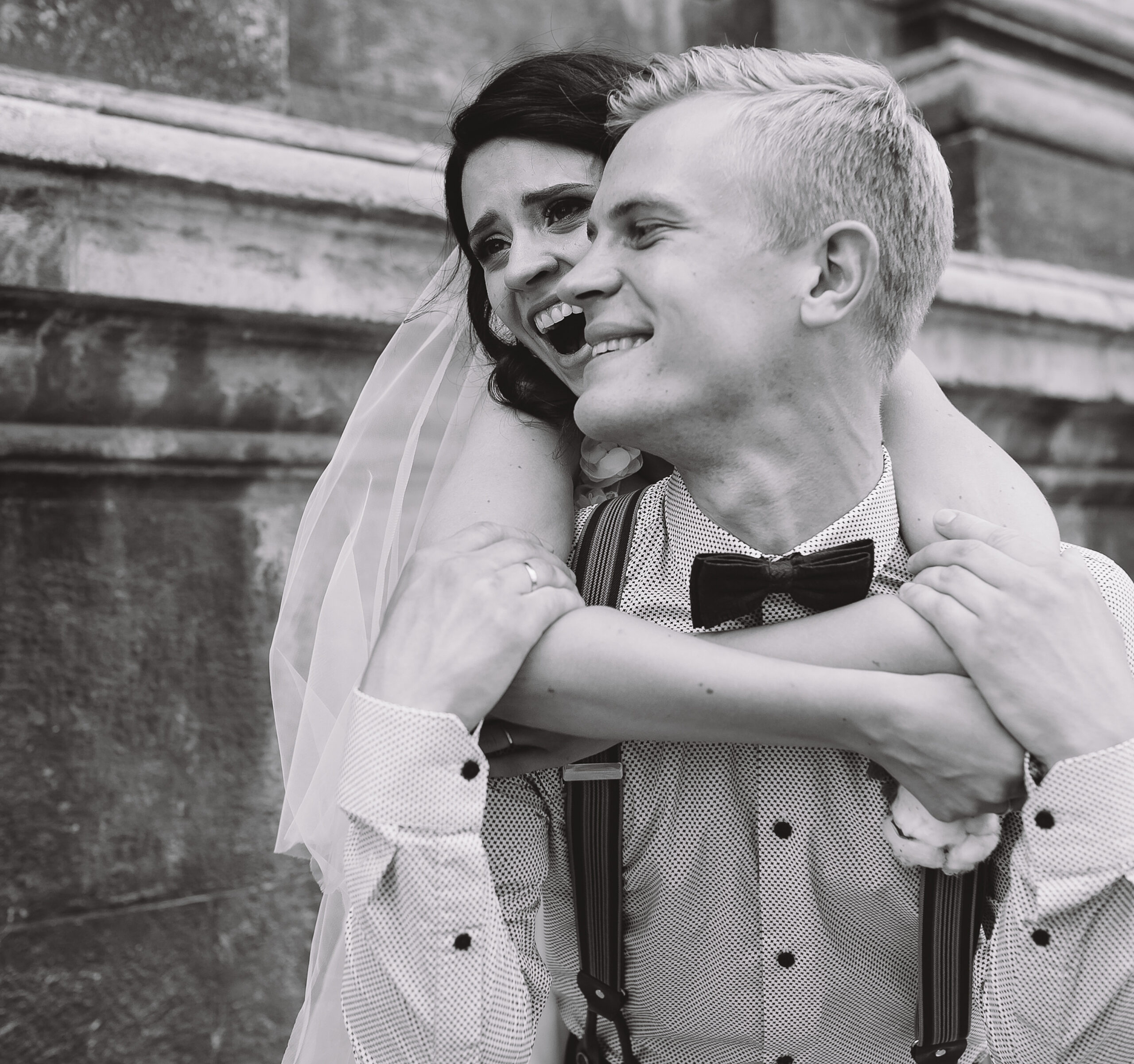
During the ceremony, one guest laughs before everyone else catches the joke. A parent lowers their eyes during the vows. Two friends exchange a look from opposite sides of the aisle.
None of it was planned.
That is where documentary wedding photography begins. The photographer watches the day closely, anticipates what may happen next and records it without repeatedly stopping people or rebuilding the moment.
The result should feel connected to the wedding you experienced. It should show the people, movement and small exchanges that would have happened whether the camera was there or not.
For couples comparing a documentary wedding photographer Melbourne has many different interpretations of the term. Some photographers remain almost entirely observational. Others combine that approach with a short portrait session and organised family photographs.
Understanding that difference will help you choose someone whose working style suits you as much as their finished gallery.
What Documentary Wedding Photography Actually Means
The Wedding Photojournalist Association describes wedding photojournalism as using the methods and principles of photojournalism to tell the real story rather than directing or creating it. The photographer looks for authentic events, relationships and reactions as they unfold.
Read the WPJA’s definition of wedding photojournalism for its full explanation.
In practice, this might mean photographing:
- A parent seeing you fully dressed for the first time.
- Guests speaking quietly before the ceremony.
- A child becoming distracted halfway through the vows.
- The pause before someone begins a speech.
- Friends gathering around the dance floor without being asked.
These photographs depend on timing and observation. They are discovered rather than arranged.
The WPJA has represented documentary and reportage-style photographers since 2002, with an emphasis on genuine emotions, real details and visual storytelling. Its current documentary wedding photography directory also includes artistic portraits and scene-setting images alongside unscripted moments.
That last point matters. Documentary coverage does not mean every frame must be chaotic, imperfect or taken from across the room. A complete gallery still needs composition, light and enough context to understand what was happening.
Documentary and Candid Are Close, but Not Identical
The two terms often overlap.
Candid photography usually refers to an unposed photograph. The subject may not be looking at the camera, or the photographer may have captured a natural reaction between directed portraits.
Documentary photography describes a wider approach to the day. The photographer follows relationships and events over time, building a story from many connected frames.
A candid wedding photographer Melbourne couples choose may still give prompts, adjust where people stand or suggest walking through better light. A documentary photographer generally intervenes less during live moments.
There is no universal line separating the two. Many photographers combine them.
Easy Weddings describes documentary-style photography as a storytelling approach that allows couples to move through the day while the photographer follows the sequence of events. Its current wedding photography trends guide places documentary work among the styles couples continue to request.
Advice from Australian photographers on choosing candid coverage also points to a practical middle ground. The photographer may step back when a moment is happening, then join in when gentle direction would help.
The useful question is not which label appears on the website. Ask what the photographer will actually do during preparation, portraits, family photographs and the reception.
You Will Still Need Some Direction
Very few weddings are photographed without any involvement from the photographer.
Family groups need organising. Couple portraits may benefit from a better position or cleaner background. A dark room may require added light. People who feel uncomfortable on camera often relax once they receive a small amount of guidance.
Professional Photographers of America has profiled wedding photographers who combine unscripted coverage with preparation, knowledge of light and an understanding of the people involved.
Its article on capturing unscripted wedding moments shows how documentary work still depends on deliberate observation and technical control.
Another PPA feature explains how photographers can create natural-looking work through communication, movement and light without making the result feel rigid.
Read how natural wedding photographs are made for a useful comparison.
This is why many complete galleries contain both observation and direction.
The ceremony may remain almost entirely untouched. Family photographs will be organised. Portraits may use light prompts. The reception returns to a quieter, watchful approach.
Editorial, Candid, Cinematic and Airy can all appear inside that balance. The dominant approach should still feel consistent.
What the Photographer Is Watching For
Documentary coverage depends on relationships more than a long shot list.
The photographer needs to understand who matters, which family dynamics require care and whether any part of the day carries personal or cultural significance.
They may watch the parents during the ceremony rather than keeping both cameras on the couple. During speeches, they may turn towards the guests before the punchline arrives. At the reception, they will notice which group is about to gather, separate or react.
That instinct comes from experience, but preparation still helps.
Before the wedding, tell the photographer about:
- People who have travelled a long way.
- Grandparents or relatives who may leave early.
- Surprises, performances or private traditions.
- Family relationships that need sensitive handling.
- Heirlooms or details with a personal history.
The information gives the photographer context. It should not become a script.
A real celebration such as Jade and Zac’s wedding shows how candid moments can sit beside composed portraits without making the gallery feel divided. Their account also describes the photographer working quietly enough to capture reactions without becoming intrusive.
Who This Style Suits
Documentary coverage often suits couples who want to remain present with their guests.
You may prefer it when:
- You dislike long or heavily posed portrait sessions.
- Guest interactions matter as much as couple photographs.
- Your wedding includes several personal or cultural moments.
- You want the gallery to show how the day felt, including its imperfect parts.
- You trust the photographer to notice moments you could not plan.
It can work particularly well for intimate weddings because each relationship carries more visual weight. It also suits larger celebrations, where many small stories happen at once.
The style may be less suitable when you want tightly controlled portraits throughout the day, extensive staged details or a gallery built mainly around fashion-led compositions.
A creative wedding photographer Melbourne couples admire may still work with real moments, but may intervene more to shape light, movement or composition. Neither approach is stronger by default.
Choose the one that fits the experience you want.
How to Review a Documentary Portfolio
Do not judge the photographer from twenty selected images.
Ask for at least two complete galleries. Move through them in order, from preparation to the end of the reception.
Look for:
- Clear storytelling across the entire day.
- Strong photographs when the light becomes difficult.
- Attention to guests, not only the couple.
- Moments with context, rather than isolated reactions.
- Natural skin tones and consistent editing.
- Enough variety in distance, composition and pace.
A full wedding photography portfolio should show whether the photographer can maintain that standard beyond the obvious highlights.
Read recent couple testimonials as well. Useful reviews describe how the photographer behaved, whether people felt comfortable and how the team worked during unscripted parts of the day.
Current testimonials describe photographers blending into the background, offering guidance when needed and helping couples feel at ease.
The photographer’s presence matters because documentary work requires access without interruption. Guests need to stop noticing the camera.
What Documentary Coverage Costs
Documentary photography does not sit inside a separate price category.
The quote still depends on coverage hours, experience, team size, travel, albums and editing.
Easy Weddings reported an average Melbourne wedding photography spend of $3,414 in its 2025 survey. Use that as market context rather than a required budget. Short coverage, full-day work and multi-photographer collections are different services.
Review its Melbourne wedding photography cost guide for the published figures.
Compare the current photography packages by hours, assigned photographer, expected gallery, travel and delivery period.
A documentary approach may benefit from longer coverage because the story develops across the day. That does not mean you should book time you do not need. A small registry wedding can still be photographed with the same observational care inside a shorter collection.
Before paying, make sure the contract identifies the photographer, hours, delivery period and replacement plan. Australian Consumer Law requires services to be supplied with due care and skill.
The ACCC’s consumer guarantees guide explains these protections.
Choosing the Right Person
Documentary work relies on trust.
The photographer cannot recreate a reaction after it passes. You need confidence in how they anticipate, frame and edit events without constant direction.
Ask how they work during family photographs and portraits. Find out whether the person you meet will photograph the wedding. Review their complete galleries, not only the studio’s combined portfolio.
The frequently asked questions can help you check meetings, team size, film photography and package options before the first call. The page currently states that team numbers depend on the package and that additional photographers or videographers can be requested.
When the work, the person and the agreement all feel clear, the style label becomes less important.
To discuss your date and the balance of documentary and directed photographs you prefer, contact Loved Up Creatives. The first conversation can remain simple.
Key Takeaways
- Documentary wedding photography records real events with limited intervention.
- Candid describes individual unposed photographs, while documentary usually refers to the wider storytelling approach.
- Most photographers still organise family groups and give some direction during portraits.
- Review full galleries to judge consistency, storytelling and low-light work.
- Share important relationships and traditions without turning the day into a long shot list.
- Choose a photographer whose instincts, presence and complete work feel right to you.
Frequently Asked Questions
Usually not. The ceremony and reception may be photographed with little intervention, while family groups and couple portraits receive some direction.
Yes, when you request them. Prepare a focused family list before the wedding so those photographs can move quickly.
Candid usually describes an unposed image. Documentary photography describes an approach that follows the wider story of the day with limited interruption.
Yes. Smaller weddings often contain close interactions and fewer formal transitions, which gives the photographer time to follow each relationship carefully.
Review complete galleries, meet the assigned photographer and ask how they balance observation with direction. Confirm the coverage, delivery and backup terms in writing.